“If you want to thrive in Baltistan, you must respect our
ways...The first time you share tea with a Balti, you are a stranger. The
second time you take tea, you are an honored guest. The third time you share a
cup of tea, you become family, and for our family, we are prepared to do
anything, even die....Dr Greg, you must take time to share three cups of tea.
We may be uneducated. But we are not stupid. We have lived and survived here
for a long time." – Three Cups of
Tea.
The last
week became a little strange. First the Express Tribune Blog team wanted to
ask if I will be able to do a post on various types of teas served in Pakistan,
then a few of my blog readers from here and there requested if I could show
them how I make my copper colored tea which somehow shows up on my fb and
instagram feed quite frequently, then I met a Sri Lankan Photographer with six
books under his belt who recently went to Pakistan the first time and fell in
love with Lahore. He is currently working on his next book on tea drinking
culture around Asia. The next post was obviously staring in my face demanding
an action.
In Pakistan
tea happens to bring people together. Given there is no bar culture in
Pakistan, our social activities are centered around tea drinking. The emergences
of coffee and tea shops in last 5-7 years have suddenly made tea drinking quite
fashionable too. At offices the visitors are offered tea, in homes every guest
is offered tea, travellers take a break only to have some tea, students run to
cafeterias to enjoy tea and samosas during breaks. Match making happens around
tea, gossip sessions happen around tea, problem solving happens around tea,
mends are made with estranged friends and family over tea. No wonder Pakistan
is the 3rd largest tea importer in the world. Last year
Pakistan imported tea worth $610 Million. We Pakistanis love our cup of tea.
I am sharing
4 different types of teas enjoyed in Pakistan. Pakistanis have their black teas
with Milk and cannot start their day without a cup of tea.
Regular
Mixed Chai
Water – 1 ½
cup
Milk – 50 ml
(Full fat)
Loose Black
Tea – ¾ Tbsp (Tapal danedaar is my favorite Pakistani tea.)
Sugar – To
taste – I like my tea sweet – 1 ½ tsps. Per cup.
Method:
Boil water
in the sauce pan.
Add loose
tea leaves to boiling water.
Cover and
let it simmer for 1 min over low heat till the tea becomes dark orange.
Add milk to
the tea. Mix and let it simmer over low flame for 1-2 mins.
Strain and
serve in a cup or a teapot. In winters cardamom and cinnamon is added to the
tea.
Doodh Pati –
Milk Tea
This tea is
the favorite of all truck drivers in Pakistan and is served at road side cafés
all along the G.T Road and the Indus Super Highway. The truckers start their
day with this tea which has more milk content. The tea leaves are slowly
simmered in milk and water till its color turns copper. It is served any time
of the day but is particularly loved when paired with a paratha-Buttered flat
bread & fried egg for breakfast by not just the truckers but also by the urban
working class of Pakistan.
Milk – ¾ cup
– Full Fat
Water – ½
cup
Loose Tea –
¾ - 1 Tsp
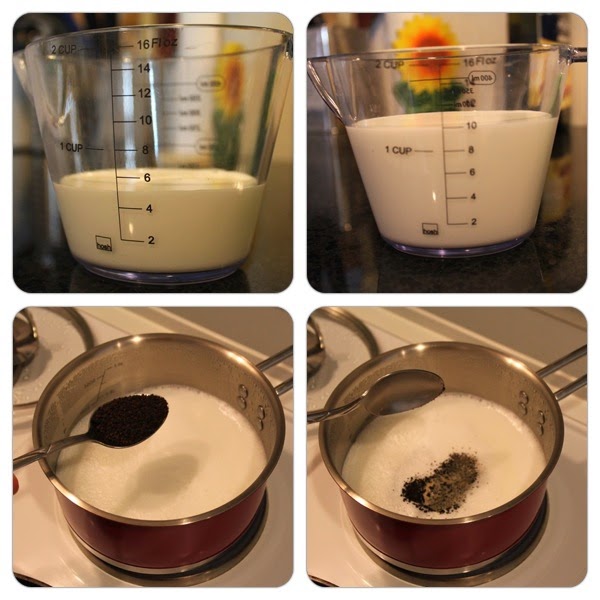
Mix water
and milk together and let it boil in a sauce pan.
Add tea to
the mixture, mix and cover for 3-4 mins till the Milk becomes coppery.
Strain and
serve with sugar.
Kashmiri
Chai – Pink Tea – Noon Cha (Salty Tea)
Pink tea
hails from Kashmir and has been lovingly embraced by the rest of Pakistan. This
tea is served with joy and enthusiasm in winters and during winter wedding ceremonies. No
mehndi ceremony is complete without the unlimited supply of Kashmiri chai
served between the dance routine intervals. Post dinner meet ups always
include Kashmiri chai stops. While living in Islamabad, Munchies in F-6 was and
still is my favorite Kashmiri chai spot. It was always more fun when you stuff
a small car with 8 people and drive down to Munchies in afternoon or night only
to have Kashmiri chai and then fight as who should pay the bill.
This tea recipe belongs to my friend Nageen Apa.
Water – 1 ½
cup
Water – 1 ½
cups (Ice cold)
Kashmiri Chai - Pink
Tea – 1 Tsp - Loose Tea
Baking Soda
– 1/8 of a tsp.
Milk – ½
cup- Boiled with cardamom and fennel seeds.
Almonds
& Pistachios – Partially grounded. 3-4 Tsps
Sugar – to
taste
Salt – to
taste.
Put water in
the sauce pan and add Loose pink tea to cold water. Cover it, once it starts
boiling add the baking soda. Let it boil on low heat for 5 mins. The tea will
become orange.
Now add ice cold
water to the hot tea and aerate the mixture with a ladle for 20 -25 mins over
low flame. The tea will become shocking pink.
Boil milk
with cardamom and fennel seeds. Slowly add the milk to the tea. The milk will
form a cloud. Mix it and let it boil for 2-3 mins. The tea will have a
beautiful pink color.
Strain the
tea and add to cups. Add crushed almonds and pistachios. Traditionally this tea
is served with salt. In urban centers this tea is served with sugar and a pinch
of salt.
Green Tea - Sabz Chai - Qehwa
In Pakistani
households every dinner and lunch is followed by green tea. Pakistan’s
favorite tends to be either the Chinese Jasmine tea or Peshawari Qehwa. These
teas are aimed at aiding digestion after a meal.
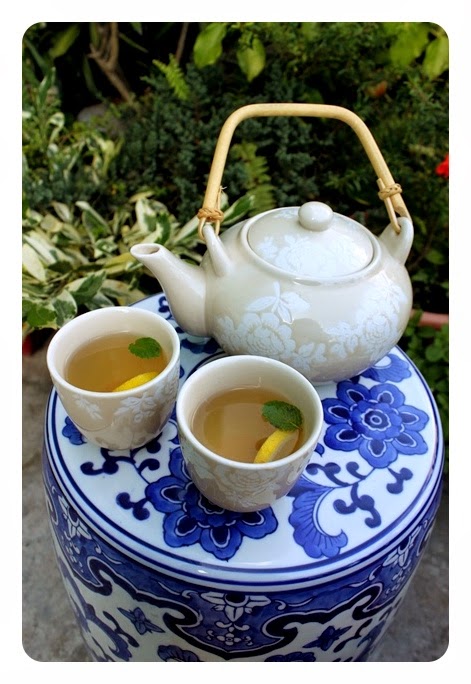
Jasmin Tea
-1/2 Tsp Loose
Water 2 cups
Mint – 10-12
leaves
Green
Cardamom – 2-3
Lemon – 2 wedges.
Add Loose
Jasmin tea, Green whole cardamom and mint leaves to the teapot and pour boiling
water. Let it sit for 2-4 mins. Serve with a few drops of lemon. A few prefer
the tea with sugar.