Tuesday, 30 June 2015

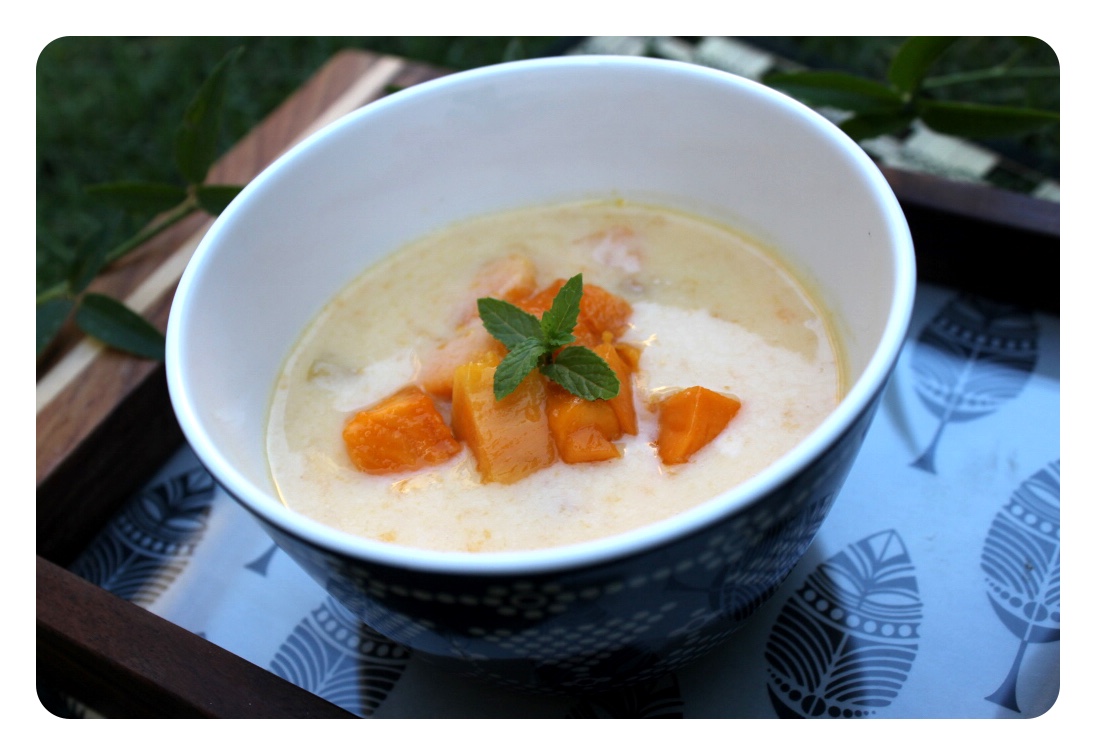
Mango Yogurt


Mango season and Ramzan have been coinciding since last few years. My love for mangoes has made me incorporate mangoes in my iftar regularly. With June's blistering heat around, one longs for things that are cold and refreshing while breaking the fast. Mango yogurt provides that along with appropriate nutrition. It’s simple and easy to make. I always save an extra bowl for sehri as well. Hope you will try it out.

Ingredients
Unsweetened Yogurt – 500 gms
Sugar – ¼ cup
Mangoes – 3 medium sized (cubed)
Dated – 8 (pitted and chopped)
Fresh Apricot/Khobani – 5-8, (pitted and chopped)
Almonds – 8-10 (Coarsely chopped)

Method:
  1. Add sugar to the yogurt and mix till the sugar dissolves. I prefer lesser sugar as mangoes are pretty sweet themselves.
  2. Puree ¾ of the mango cubes. Save the 1/4th for adding to the yogurt.
  3. Add purred mango to sweetened yogurt.
  4. Add chopped dates, remaining mango cubes, chopped khobani and almonds. Mix and chill
  5. Garnish with a few mango cubes and serve cold.


Depending on the availability I also use cherries, lychees, bananas, peaches for this yogurt. 


Friday, 22 May 2015

Pakistani Style Vegetable Pickle - Achaar


Before the arrival of mass produced - ready to use jams, pickles and chutneys, everything was prepared at home. In early eighties, my Nani- maternal grandmother prepared achaar - pickle, murabbay and Chutneys at home ritualistically. These homemade products were consumed around the year and the friends and family also had their share in the prized produce. This activity would take place during summer holidays when tons of extended family would be over.

Nani, her sister and sisters in law and other lady cousins visiting her, would divide the work of cleaning and chopping up tons of vegetables along with cleaning, roasting and grinding of sack load of the spices. Rock salt was bought and crushed at home in a gigantic brass pestle mortar called hammam dasta. Dried Haldi rhizomes/roots were crushed to make powder at home. Large Martabans – Clay pots were bought and seasoned for the pickling process. Fresh Mustard oil was ordered from nani’s trusted Teli – the Oil maker. Mustard oil was prepared for use on an outdoor wood fire stove.

Pickling involved tons of work and working together allowed these ladies to bond and share their issues, stories and happy moments. During these moments Nani would find out the domestic issues and offer help, advice and intervention if needed. Nani being the oldest daughter in law kept her own and her husband’s family together which was a rare trait of hers.

This year I decided to make nani’s traditional pickle at home which was my first attempt of pickling. I had help from my cook hence the process was smooth. My produce also has share for my mother in law and aunts who are anxiously waiting for it to get ready. I hope I can continue to do this every year. To me this activity is therapeutic and my own way of connecting to a woman I loved and didn't get the chance to know alot.  

Ingredients:
Lemons – 12 (Quartered – remove the seeds)
Fresh Green Chilies – 20 long (make a lengthwise slit)
Carrots – 4 Medium. (Cut like match sticks but thicker in size)
Green Mango – 6 – Cut in chunks
Fresh Curry Leaves - 24
Garlic – 2 bulbs (Peeled)
Mustard Oil – 6-7 Cups
Spices:
Fennel seeds /Saunf– 2 Tsp – heaped
Nigella seeds/ Kalonji – 3 tsp – heaped
Mustard Seeds / Rai Dana– 3 tsp – heaped
Fenugreek Seeds /Methi Dana – 3 tsp – heaped
Crushed red chilies – 3 tsp – heaped
Turmeric/ Haldi – 1 tsp
Salt – 10 tsp – Heaped


Prepare the Mustard oil

Pour the Mustard Oil in a deep sauce pan. Put 3 cloves of garlic with skin in the cold oil. Boil the oil at high heat for 15 mins. This is done to eliminate the natural bitterness and dense smell of the mustard oil. Ensure that the kitchen is well ventilated as you boil the oil. It will release tons of smoke and unpleasant smell so be prepared. It’s a good idea to exit the kitchen as it boils and come in to switch off the stove. Light some extra candles in the kitchen as you undertake this activity. I would not suggest doing this if you live in a flat with open plan kitchen as the house will smell of oil for days.
Cool the oil. Put aside.

Prepare the vegetables

Cut all the vegetables as instructed.

Mix all the spices and spread evenly over the vegetables. Use a glazed clay dish or High grade plastic utensil for this activity. Grannies advise not to use any metal utensil in pickle making as the acid from the lemon can corrode the metal leading to pickle going black and bad in days ahead. I have used clay pots and a wooden spoon to do the mixing.

The spiced vegetables need to be put in sun for about 2-3 days till their water dries up.

On the third day, add the vegetables to the big claypot /martabaan and pour the cold mustard oil over the vegetables till everything is completely submerged in the oil.

The pickle is required to be put in sun daily for about 10-15 days in summer and 15-20 days in winter before the vegetables become soft and ready for consumption. Mix the pickle daily with a dry wooden spoon. 

Everyone has their own favorite things to eat with this condiment. I enjoy this with Daal Chawal - Curried Lentil and boiled rice. Happy Pickling! 


This is how the final product looks after 15 days of sun bathing.

Friday, 17 April 2015

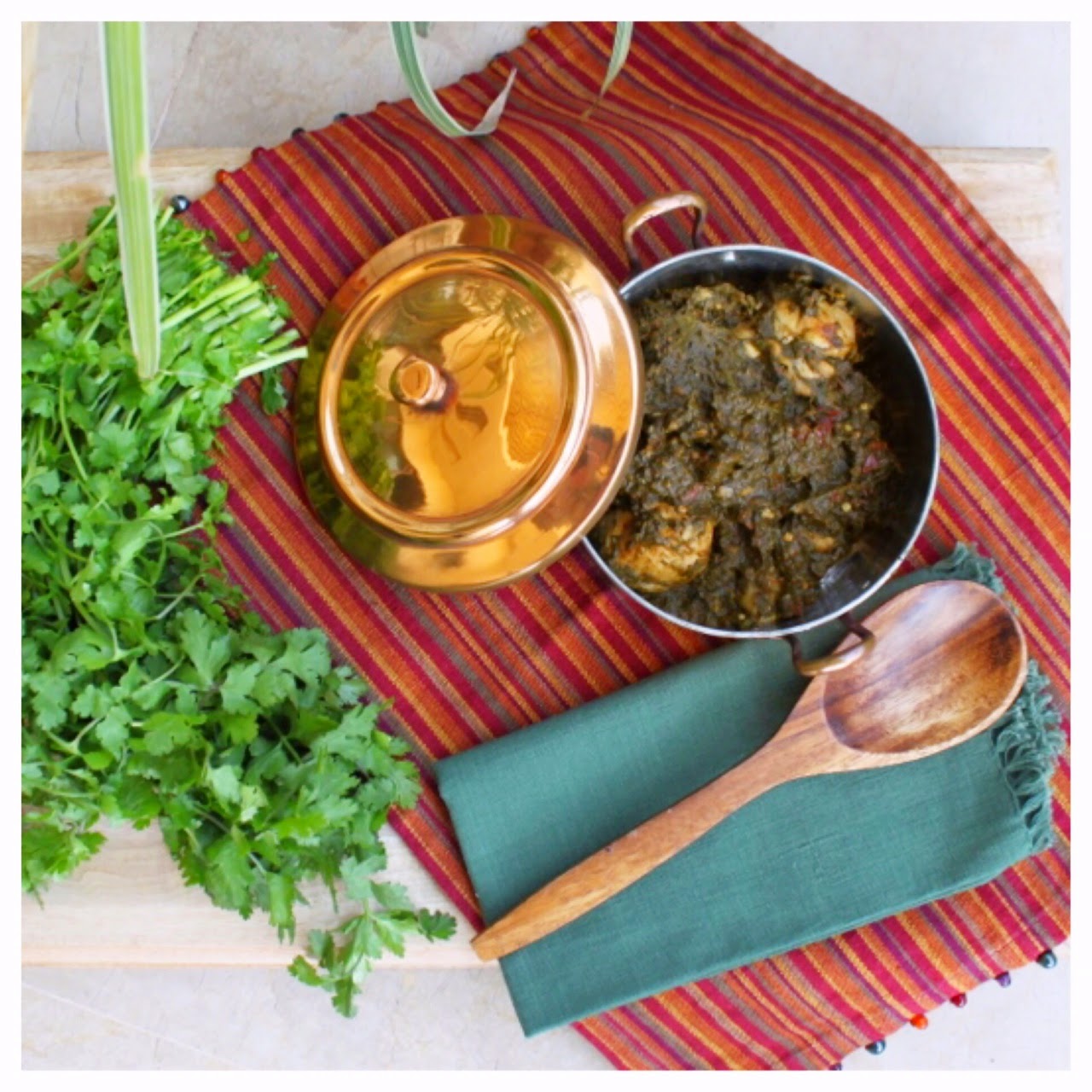
Pakistani style Spinach and chicken curry - Palak Chicken


Palak gosht was cooked a lot in my mother’s household during the winter season. I never liked what meat did to the spinach. While living in London, once I had Palak chicken at one of the Pakistani restaurants and loved it. Later I tried my own version at home and have not looked back ever since. My brother O who was studying at University of Warwick during that time, became the guinea pig for my cooking experiments.

My palak chicken not just got a high approval rating from him but I also got a request to make some palak chicken for him to take along to Warwick. For the year he was there, I used to make a stack of food for him and freeze it which he would take along to eat for next 2 weeks. A quarter in to the year, I started getting phone calls from his Pakistani and Indian class mates with specific requests for food, followed by thank you phone calls.

I wasn't thrilled to find out that O’s flatmates were eating all of his home cooked food. My firsthand experience taught me that the one thing that you miss the most while living away from home is the home cooked food. I quietly doubled the food he took to Warwick. Things sisters do for little brothers!!! Last night O called me from his office and asked me if I could make some palak chicken for him. I am always happy to fulfill such farmaish. We had it with boiled rice.
Here is the recipe.

Ingredients
Chicken – ½ kilo (6-8 pieces)
Fresh Spinach – 1 kilo (You can use frozen if fresh is not available)
Tomatoes – 4 Medium sized (make a puree with 2 green chilies)
Fresh Ginger Garlic Paste – 1 tbsp (heaped)
Mustard Seeds – 1 tbsp
Dried Whole Chilies - 4-5
Roasted Cumin seeds – 1 Tbsp (crushed)
Roasted Coriander seeds – 1 Tbsp (crushed)
Crushed Red Chilies -1 tsp (Adjust to taste)
Salt – 1 tsp (adjust to taste)
Oil : 6 Tbsp

Method:
  1. Wash the spinach and steam it in a large pan. Once steamed, puree it with the hand blender. Put aside.
  2. Heat the oil and add ginger garlic paste to it. Cook till its changes color.
  3. Add mustard seeds to it. Let it cook for a minute till you can smell them. Add the dried red chilies and cook for 10 secs. Add a dash of water to stop it from burning.
  4. Add cumin and coriander seeds. Cook for 30 sec.
  5. Add chicken and cook for 5 -7 mins till it completely changes color.
  6. Add tomatoes, salt and crushed chilies and cook till the water dries.
  7. Now add pureed spinach. Cook till the water dries and the oil comes out on the side.
I love serving this with boiled basmati rice. This also pairs well with homemade chappati – flat bread.


Thursday, 29 January 2015

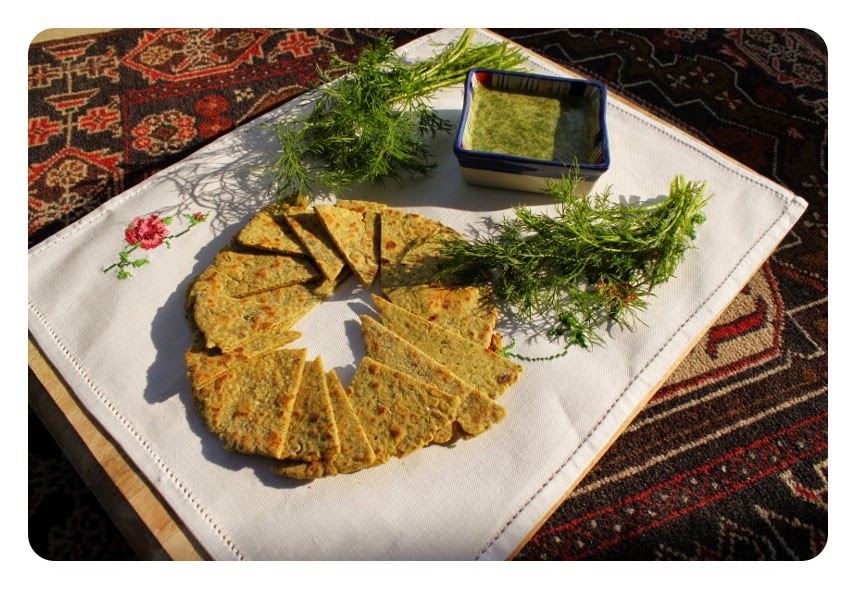
Remembering Anwer Sultana: Baisani Roti with soy and Afghani Chutney

Chickpea flour flat bread with Dill

Dill – also called soy in Urdu always reminds me of Anwer Sultana – My nani – maternal grandmother. Couple of decades ago during winter vacations, all of us cousins would come down to Rawalpindi to spend winter break with our grandparents. Nani had a huge herb and vegetable garden at the back of the house. The garden had one particular herb every winter – soy/dill. The shrub always grew taller than me, an 8 year old back then making me disappear in the dill patch while trying to catch ladybirds. They too loved the perfumed dill as much as I did.

Nani loved getting Baisani roti made at the tandoor situated close by. She would supervise and instruct our cook named Rasheed aka Sheeda as how to make the dough. It always had plenty of fresh dill from her garden. Once the dough was prepared, sheeda would take it to the nearest wood fired tandoor and get the baisani roti made. The tandoor wala knew how begum sahiba liked the rotis. We kids loved having it with home churned butter while soaking the winter sun followed by a kino eating marathon.

January marks the death anniversary of Anwer Sultana who now rests at Emanabad, a small city situated 30 kms from Lahore. I found myself strolling down the memory lane catching ladybirds while buying some dill at the local vegetable shop last week. I have not known a woman as kind and as beautiful as Anwer Sultana. I do wish she was still alive so we could have the conversations we never had a chance to have! Now they only happen in my head!

This baisini roti with Afghani chutney can easily replace your doritos and salsa any given afternoon!

Ingredients:
Chickpea flour: 1 cup
Whole wheat flour: ½ cup
Butter: 50 grams (melted)
Fresh Dill – Handful chopped
Fresh Coriander – handful chopped
Crushed Red chilies – ½ tsp
Green Chili – 1 thinly chopped.
Roasted Cumin Seeds – 1 tsp lightly crushed
Roasted Coriander Seeds – 1 tsp crushed
Water – for kneading

Needs a Food Processor & a Griddle
Method:
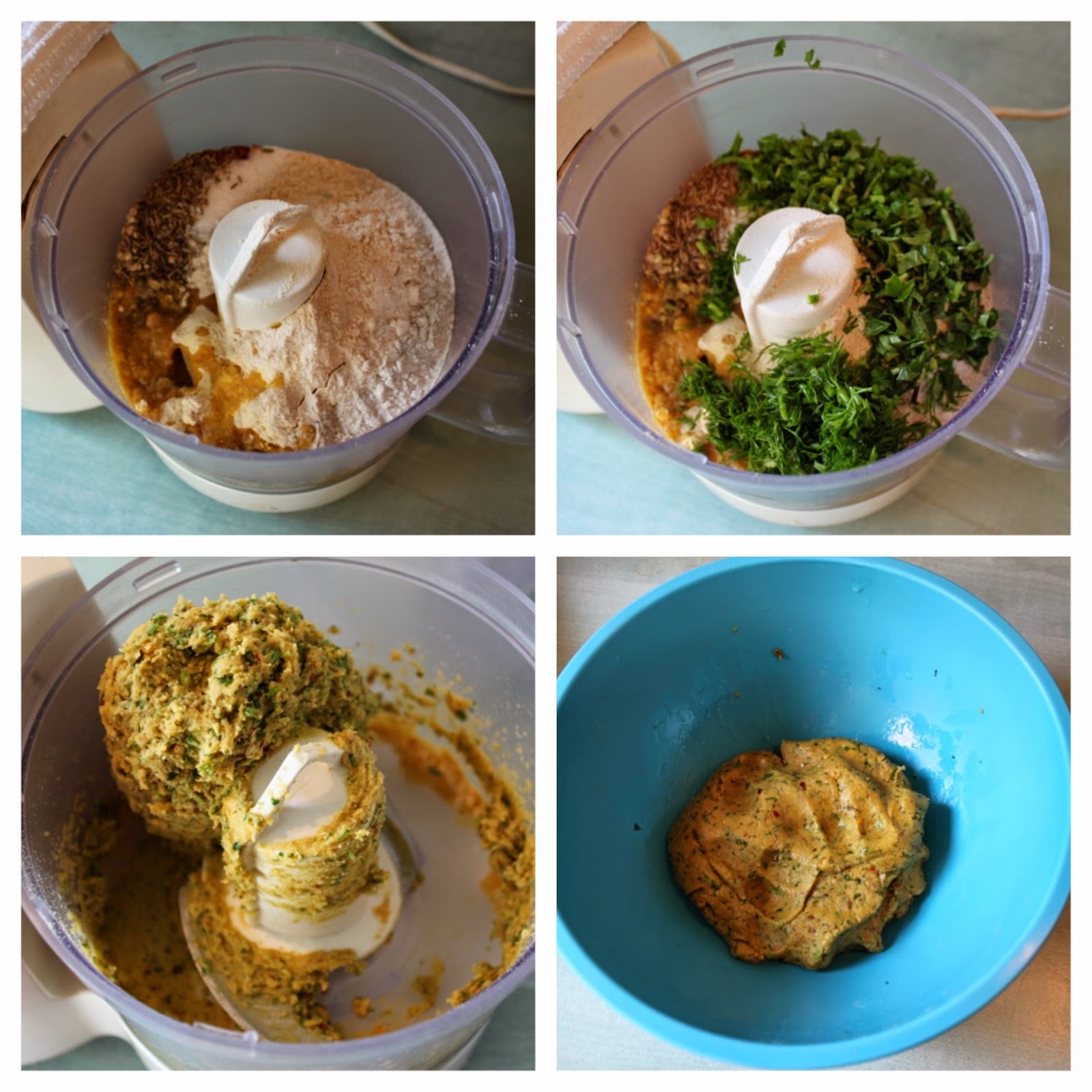
  1. Add everything except the water in the food processor. Pulse it for 10 seconds.
  2. Now switch on the machine and slowly add ¼ cup of water till everything comes together and forms dough.
  3. Take the dough out and knead it for 2-3 mins. Put it in a bowl with a tbsp. of oil on it. Cover and let it sit for 30 mins.
  4. Now make small balls of dough, roll them out and cook them on hot griddle on both sides.
  5. Remove, cut in triangles and serve hot with Salsa or chutney.


Ingredients for Afghani Chutney

Mint – 1 cup
Fresh Coriander leaves – 2 cups –chopped
Garlic – 2 cloves
Tomato – 1 large (Try finding a green one)
Fresh Green chilies – 4
Juice of 4-5 Lemons – medium sized
White Vinegar – ¼ cup
Salt – to taste

Method:
Add all the ingredients in a liquidizer and make a smooth paste. In case more liquid is needed increase the amount of vinegar.


Anwer Sultana 

Wednesday, 10 December 2014

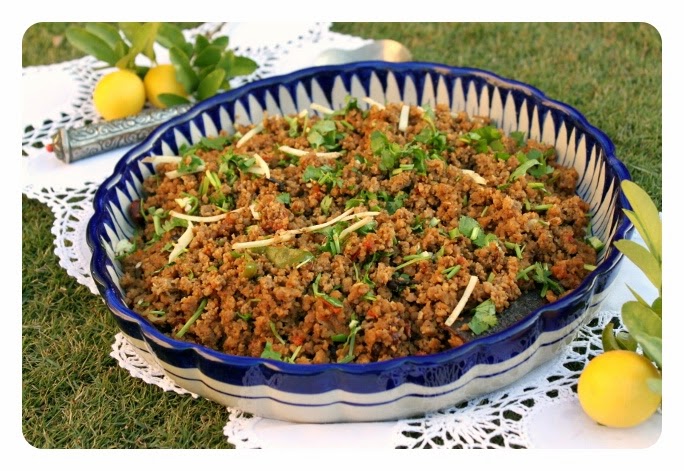
Pakistani Style Stir Fried Spicy Minced Meat – Bhunna Qeema


As a kid I was never a mutton/beef or milk fan. I got tons of scoldings from Ammi and Nana (Maternal grandfather) for that. I was told I will never grow tall enough or excel in class or be physically fit. Turns out I achieved all of that without eating much meat protein throughout my adolescent years. Something else happened as well! As I became an adult and moved away from Pakistan, the flavors and tastes that I took for granted came back to me as a longing. I missed eating the very things I despised as a kid. Mutton was one of them! 

While living in London, when I ventured out to find ingredients to fulfill that longing, I figured no matter how I cook the locally sourced meat, it will always have a nasty smell. There was plenty of lamb but hardly any goat meat that I was accustomed to. That was pretty disappointing!

Living in Manila the situation was worse. Locals don’t eat lamb or goat meat as it’s considered too expensive. Hence no one breeds these animals there. Whatever was available was ridiculously expensive and always had a nasty smell even after cooking. I eventually became a vegetarian but not by choice!

Coming to Pakistan means I can enjoy trouble free meat eating in moderation which I have been doing. This bhunna qeema is dry yet juicy and the husband loves it! This time around when I made it, it got a nod from Abbu as well. Here is the simple recipe. Hope you will enjoy it!
Ingredients:
Minced Mutton – 1 kilo
Oil – ½ cup
Onion – 1 Large (Finely Chopped)
Tomatoes - 3 Mediums (Chopped)
Ginger Garlic Paste (freshly made) – 1 Tbsp Heaped
Roasted Cumin Seeds – 1 Tsp heaped (crushed)
Roasted Coriander seeds – 1 Tsp heaped (Crushed)
Cinnamon Sticks – 2 (1 ½ inches long)
Black Cardamoms – 3 whole
Cloves – 6
Whole peppercorns – 6 -8
Whole red chilies – 3-4 (round ones) or 2 regular dried ones.
Green Chilies – 3 Medium sized
Fried Onions – 3-4 Tbsp
Yogurt – 5 Tbsp
Salt – 1 tsp
Chili Powder – ½ tsp
Turmeric – ¼ tsp.
Fresh Ginger – 1 inch Julienne
Fresh Coriander – for garnish (handful)
  1. Put the minced meat in a tea towel and wash under running water for a couple of minutes. Let it sit for about 20 mins till the water drains. Squeeze the water out as much as you can before cooking.
  2. Heat the oil in the pan and add chopped onions to it.
  3. Wait till it becomes translucent, now add cinnamon, cardamom, cloves, peppercorn, crushed cumin and coriander seeds, whole red chilies and ginger garlic paste. Cook till everything changes color to gentle brown.
  4. Squeeze water out of the minced meat. Add it to the onions and cook it till it changes color to brown.
  5. Add salt, chili powder and turmeric. Mix further and dry half of the liquid in the pan.
  6. Add tomatoes and 2 green chilies and cook for 2-3 mins on high heat.
  7. Add yogurt and mix. Reduce heat, cover the pan and let it cook for 20-25 mins till the tomatoes break down completely and yogurt disappears.
  8. Add half of the ginger, fried onions and remaining chopped green chilies. Cook for 2 mins.
  9. Garnish with fresh coriander, remaining ginger and fresh green chilies. This can be served with homemade flat bread, naan or even paratha for brunch.
The left over qeema makes an awesome stuffing for Qeema Paratha for breakfast or brunch the next day. Same filling can be used to make stuffed samosas at home. 


Pottery By : Blue Saint 
www.thebluesaint.com